Are you ready to automate? Programmable Logic Controllers (PLCs) are, without a doubt, the backbone of modern industrial control and provide efficiency from factory floors to food production lines.
The applications are seemingly never-ending, but you don't want to just grab the first PLC you see. The idea is to find the one that suits your operation. This can be especially important as selecting the wrong PLC, by overlooking important factors, may be a wasted investment and potentially impactful to operations.
Below are typical aspects that experienced engineers weigh in the selection of their PLC:
Your Real-World Requirements - Forget "typical".
The requirements on a PLC within a sterile pharmaceutical cleanroom are very different from those on a conveyor system deep in a mining operation.
What are the operational tasks for a PLC on a daily basis?
Considering your operational needs when seeking for a PLC is critical. Determining clear operational needs at this time will help narrow down the specifications you need to investigate and guide you towards PLCs that fit the challenges you face, not general automation needs.
Can it take the heat (and dust and bumps)?
PLCs are tough, but they are not invulnerable.
Where will your PLC live?
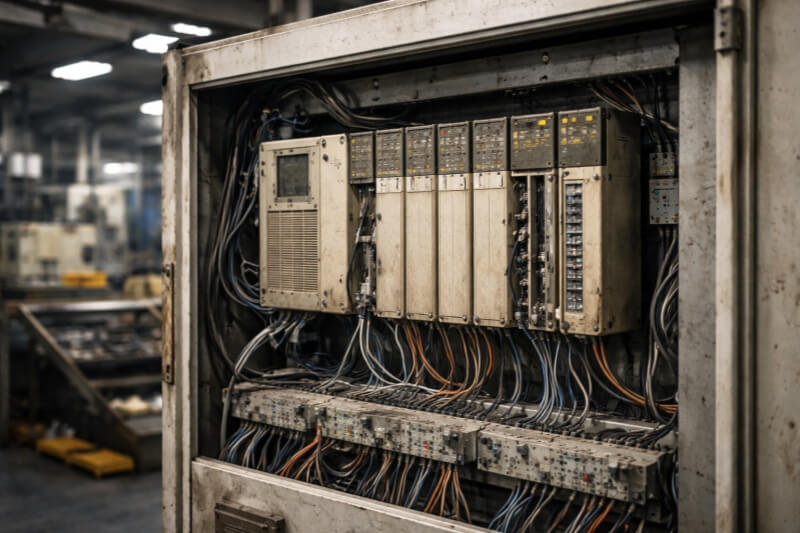
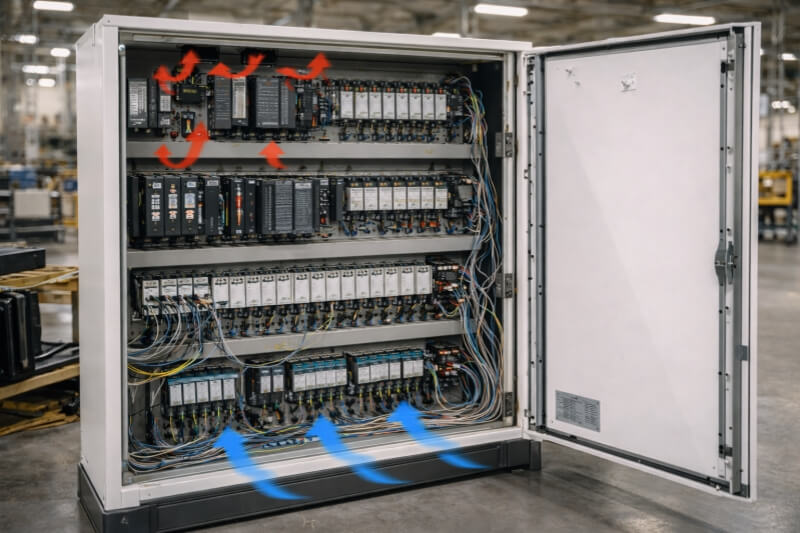
Environmental extremes including extreme temperature, continuous vibration, corrosive chemical exposure, or pervasive dust and moisture are common in most industrial applications. If you are in a harsh environmental situation, you may want to take extra consideration to which PLC to select that has rugged enclosures (i.e. IP ratings) and has supported working well within these environmental extremes. Don't let environmental wear limit your automation lifecycle.
Talk the Talk - Communication Capability: Your PLC won't work in a vacuum.
It should be able to communicate - to your HMIs, SCADA systems, other controllers, sensors and drives. Check the communication ports (Ethernet/IP, Modbus, Profinet, RS-485 etc.) built into the PLC. Does the PLC support the native protocols used by your existing equipment, or will you have to purchase expensive add-on modules? Seamless integration depends on seamless communication, out of the box.
Input/Output (I/O) Count - Don't Get Pinched: This is simple stuff.
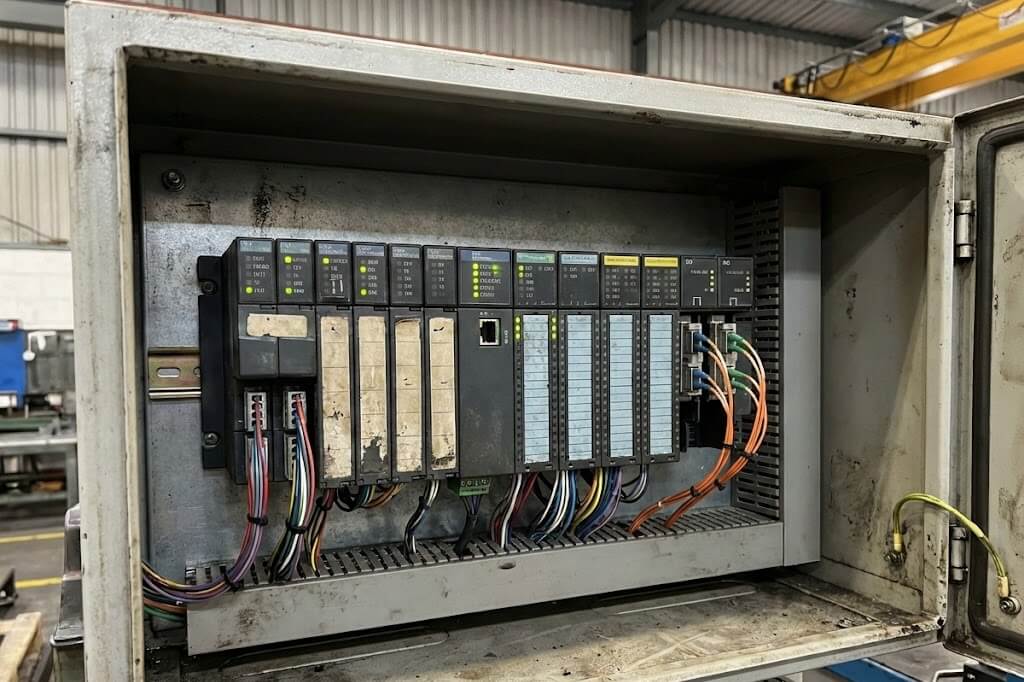
Every sensor (input) and actuator (output) you control needs a place on the PLC. Count your current I/O points, then add a reasonable buffer (20-25%) for possible changes or expansion. Trying to purchase a PLC with barely enough ports for your needs is asking for trouble later. Look for generous capacity for your current and future set-ups.
Muscle Processing: Speed Counts: Speed and accuracy are two important goals of automation.
A slow processor in a PLC can create some serious bottlenecks for you. Look at the scan time specs for each; how fast can it read its inputs, process your logic program, and then re-write its outputs? Keep in mind, more complex programs and larger I/O counts require more processing. You need to match the speed of the PLC's CPU and the storage capacity of its memory to the complexity and speed of response requirements of your system. There is no point having slow control!
Finding the Right Fit: At TopAutoDevice we understand.
Choosing the right brain for your automation system is crucial. That is why we provide a large selection of PLCs and parts from leading manufacturing companies, including many very well-known brands such as Siemens PLC parts. Take time to review our selection; we feel certain you will find a durable, correctly matched solution for your specific machine needs.